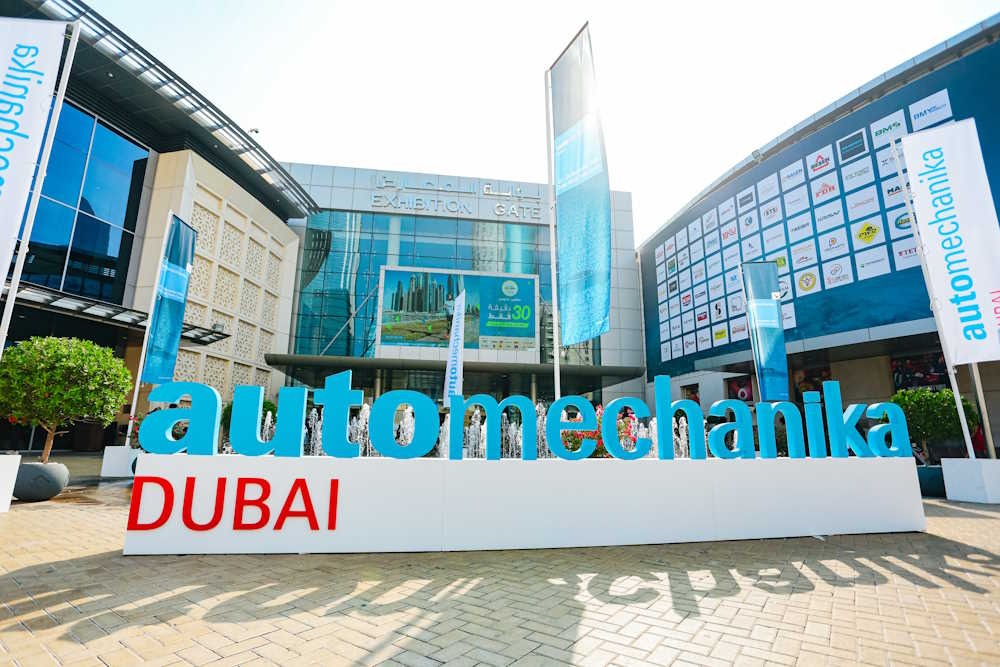
Global Automotive Outlook – Trends Driving 2025

Key trends shaping the global automotive aftermarket, from electrification to supply-chain shifts, are redefining how distributors and dealers operate. Understanding these developments is crucial for positioning businesses to capitalize on emerging opportunities in 2025 and beyond.
Market Forecasts and Growth Projections
The global automotive aftermarket is projected to reach $722 billion by 2025, growing at a CAGR of 3.8%. This growth is driven by several factors including aging vehicle fleets, increasing vehicle miles traveled, and growing consumer preference for vehicle maintenance over replacement amid economic uncertainty.
Regional market dynamics reveal interesting patterns:
- Middle East & Africa: Expected 5.2% CAGR driven by infrastructure development and increasing vehicle ownership in emerging economies
- Asia Pacific: Fastest-growing region at 4.8% CAGR, led by expanding middle class and urbanization in India, Southeast Asia, and China
- North America & Europe: Mature markets growing at 2-3% with focus on premium products and technological innovation
Rise of EV-Related Components
Electric vehicle adoption is accelerating globally, fundamentally changing the aftermarket landscape. While EVs require less frequent maintenance, they create new product categories and service opportunities that forward-thinking distributors must embrace.
Key EV aftermarket segments experiencing rapid growth:
- Tyres: Specialized low-rolling-resistance tyres designed for EV weight and torque characteristics represent a growing premium segment
- Brake Systems: While EVs use regenerative braking, conventional brake components still require replacement albeit at extended intervals
- Cabin Filters: HEPA-grade filtration systems for maintaining air quality in sealed EV cabins
- Cooling Systems: Specialized coolants and thermal management components for battery temperature regulation
- 12V Batteries: Conventional batteries for auxiliary systems remain essential despite high-voltage traction batteries
Despite EV growth, internal combustion engine vehicles will dominate the global fleet through 2035, ensuring sustained demand for traditional aftermarket products. The transition creates opportunities for distributors who can serve both ICE and EV segments simultaneously.
Regional Growth Opportunities
Emerging markets present the most compelling growth opportunities for automotive aftermarket businesses, driven by several converging factors:
Middle East Dynamics
Infrastructure mega-projects across GCC nations are increasing commercial vehicle fleets, while rising disposable incomes support passenger car ownership. Extreme climate conditions create higher component wear rates, driving aftermarket demand for batteries, tyres, and cooling system parts.
African Potential
Sub-Saharan Africa's growing middle class and improving infrastructure are spurring vehicle imports. The predominance of used vehicle markets creates strong demand for replacement parts, with distributors who can provide reliable supply chains and affordable quality products positioned to capture significant market share.
Central Asian Expansion
Economic integration along Belt and Road trade corridors is modernizing vehicle fleets in Kazakhstan, Uzbekistan, and neighboring markets. Growing trade activity and improving living standards support aftermarket growth, with premium products gaining acceptance alongside value offerings.
Supply Chain Resilience and Digitalization
Recent global disruptions have fundamentally reshaped supply chain strategies in the automotive aftermarket. Distributors are prioritizing resilience through diversified sourcing, strategic inventory positioning, and digital supply chain visibility.
Key developments include:
- Near-Shoring Strategies: Manufacturers establishing regional production hubs to reduce dependency on single-source markets and shipping vulnerabilities
- Inventory Optimization: Advanced analytics and AI-driven demand forecasting enabling more efficient stock positioning and reduced capital requirements
- Digital Marketplaces: B2B e-commerce platforms transforming dealer ordering processes with 24/7 availability, real-time inventory visibility, and streamlined transactions
- Blockchain Tracking: Emerging use of distributed ledger technology for anti-counterfeiting and supply chain transparency
How AZB Aligns with Global Trends
AZB Group's strategic initiatives directly address the major trends shaping the automotive aftermarket:
- EV-Ready Portfolio: Expanding product range to include EV-specific components while maintaining comprehensive ICE offerings to serve diverse fleet compositions
- Regional Hub Strategy: Dubai-based operations provide logistical advantages for serving high-growth markets in Middle East, Africa, and Central Asia
- Digital Infrastructure: Ongoing investment in dealer portal capabilities, online ordering systems, and supply chain visibility tools
- Brand Innovation: Launch of Driftstone and other proprietary brands providing competitive differentiation and margin advantages
- Dealer Support Programs: Comprehensive training, marketing assistance, and business development services helping partners adapt to market changes
Strategic Imperatives for Aftermarket Success
Automotive aftermarket businesses that will thrive in 2025 and beyond must embrace several strategic imperatives:
- Invest in digital capabilities that enhance customer experience and operational efficiency
- Build flexible product portfolios serving both traditional ICE and emerging EV segments
- Develop resilient supply chains with diversified sourcing and strategic inventory positioning
- Focus on high-growth emerging markets while maintaining presence in mature regions
- Provide comprehensive support services that help dealer partners succeed in evolving market conditions